BedZED Made Low-Carbon Living Look Ordinary
General / Jul 8, 2026 / 3 min read
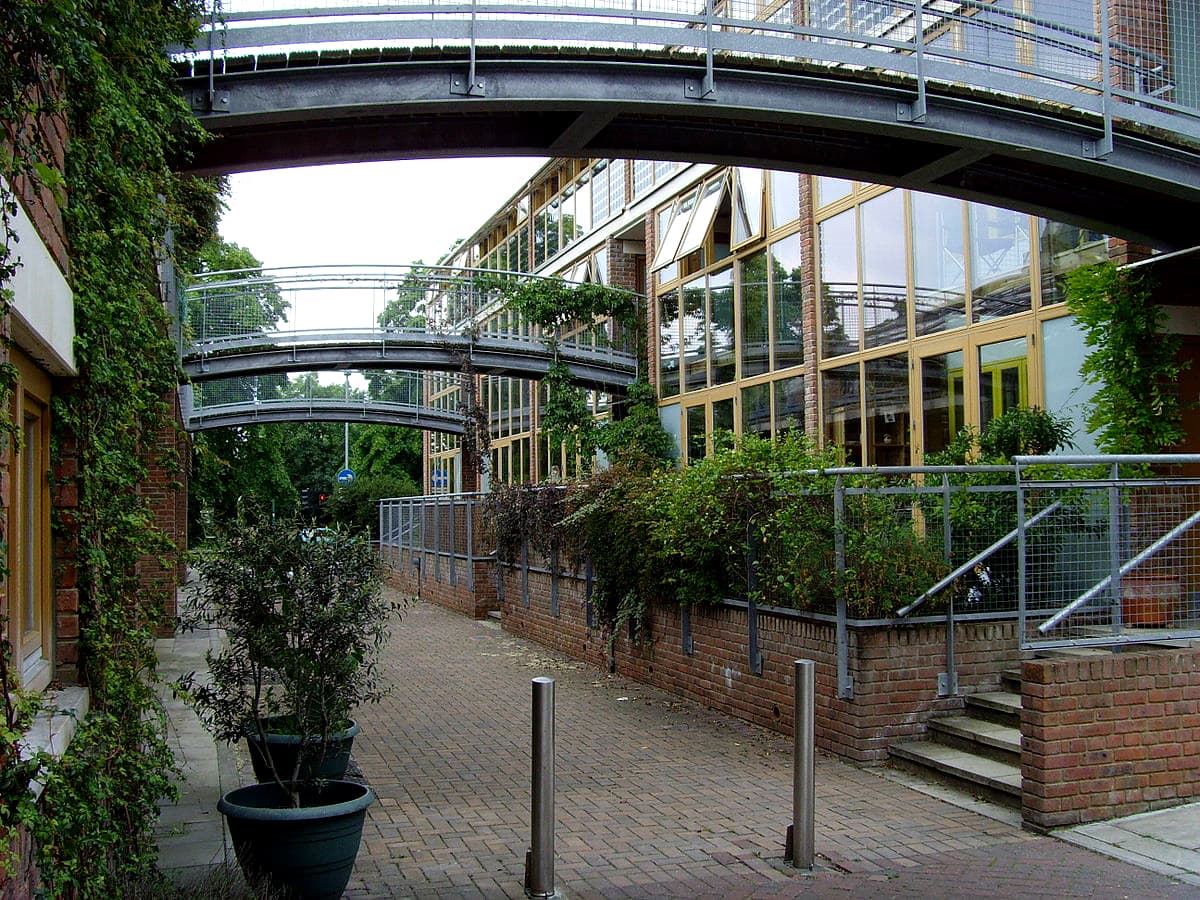
BedZED is old enough now to look a little funny, which is useful. The Beddington Zero Energy Development in Sutton, South London, was finished in 2002, before "net zero" became a phrase that could make almost any building sound serious. Its colorful wind cowls still poke above the roofs like cheerful vents from an alternate future. They are a little awkward, a little charming, and much more interesting than another glass building promising efficiency from behind a rendering.
The project began with a harder question than its toy-like profile suggests. Could a whole piece of daily life be arranged so that using less energy and water did not feel like a private act of discipline? Bioregional, Peabody Trust, ZEDfactory, Arup, and other partners did not build a single demonstration house for tours. They built 100 homes with workspace, a college, community facilities, streets, gardens, and transport planning. The experiment had to deal with real habits, from cooking and commuting to opening windows, meeting neighbors, washing clothes, and paying bills.
That made the experiment harder and more honest.
That is why the early monitoring matters. A 2002 Bioregional and Housing Corporation case study reported water-heating energy in monitored homes about 40 percent below comparable UK dwellings. Electricity for lighting, cooking, and appliances was reported 58 percent below the average Londoner, and water use 55 percent below expected London household levels. These numbers came from a young project and should be read with the normal caution, but they are still more interesting than a slogan. They show a place trying to make lower consumption feel routine.
The design did some of that work quietly. Homes were oriented for sun and insulated heavily. Natural ventilation was made visible through the wind cowls, which turned a technical system into part of the neighborhood's personality. Green transport planning reduced the assumption that every errand required a car. Reclaimed and local materials lowered the footprint of construction. Shared gardens and community programs brought some of the behavioral pieces close enough to feel normal.
That last part is easy to underrate. A lot of sustainable architecture asks people to admire the building's virtue from the outside. BedZED asked residents to live inside a set of nudges. The better choice was supposed to be nearby, obvious, and socially reinforced. Composting, walking, saving water, opening a window, or using less energy could become less like a private moral performance and more like the way the place worked.
The project did not become the universal future of housing. Some systems needed adjustment, later standards moved on, and Britain did not copy-and-paste BedZED into a low-carbon housing revolution. That disappointment is part of why the place is still worth reading closely. Pioneers age in public. Their claims get tested, softened, corrected, and sometimes made more useful.
BedZED's best idea was never that one eco-village could solve housing. Its best idea was more domestic and more stubborn: if a building wants people to live differently, it has to make that difference feel livable on a Tuesday morning.
Further Reading
View the sources for this article
- BedZED
- housing
- low-carbon design
- London